
The origins of the Modernity, From Scapigliatura to Divisionism
Galleria Bottegantica, Milano
Thirty works retrace the extraordinary artistic season of the second half of the nineteenth century in Lombardy, born with Scapigliatura and culminating in Divisionism.
Tranquillo Cremona, Daniele Ranzoni, Giuseppe Pellizza da Volpedo, Gaetano Previati, Emilio Longoni, and Angelo Morbelli are some of the protagonists of The Origins of Modernity, from Scapigliatura to Divisionism, the new exhibition at Galleria Bottegantica in Milan (via Manzoni 45), scheduled for March 27th through May 30th 2015.
Curated by Enzo Savoia the exhibition covers the period between the early 1870s and the end of the nineteenth century and includes a selection of 30 works by the main artists active in Milan, proponents of an innovative pictorial language, free from academic models, able to express the social and cultural changes of the time.
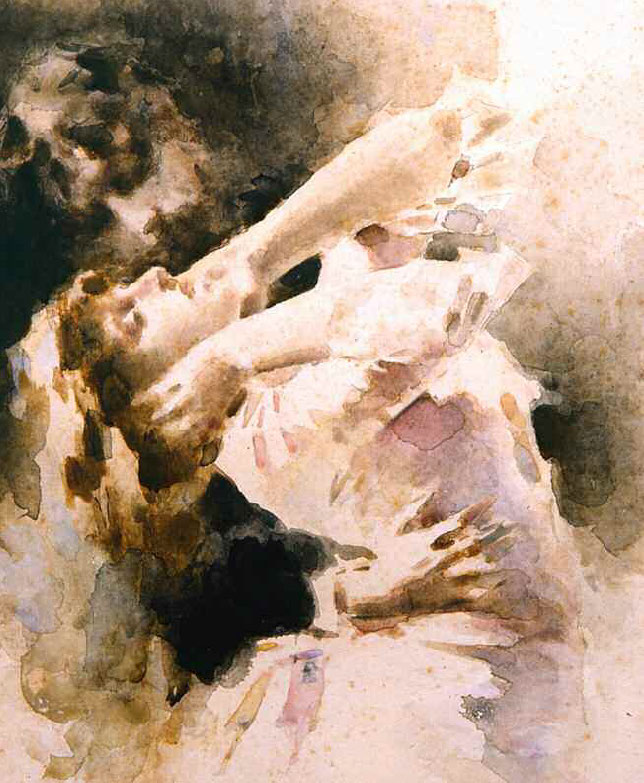
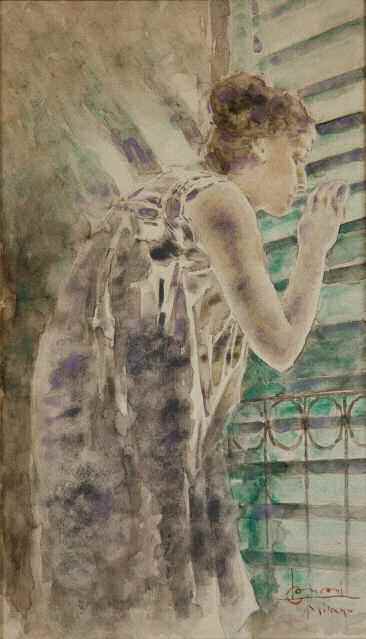
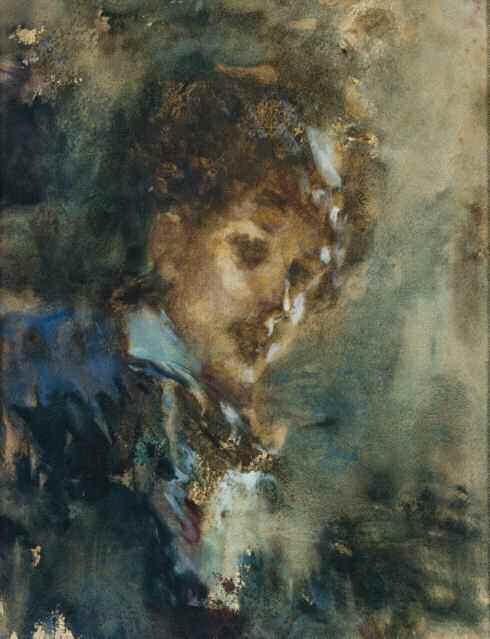
This itinerary through Lombard painting from Scapigliatura to Divisionism opens with masterpieces by Tranquillo Cremona (The Letter and The Portrait of Vittore Grubicy), Daniele Ranzoni (The Magdalene and Portrait of Mrs. Giovanna Schlosser in Schonenberg), Mosè Bianchi (Snow in Milan and The Lady with the Parrot) and Luigi Conconi (Jealousy). These painters, in a climate still dominated by academicism and by the magniloquent themes of history painting, gave life to their canvases using a vaporous drafting, made up of blurred brushstrokes, which preludes the research on light carried out shortly thereafter by Divisionism.

Born in full autonomy with respect to French Neo-impressionism, the Divisionist movement is distinguished from other contemporary European experiences for its greater attention to content and rendering of truth, which welcomes within it both symbolist themes and socio-political instances.
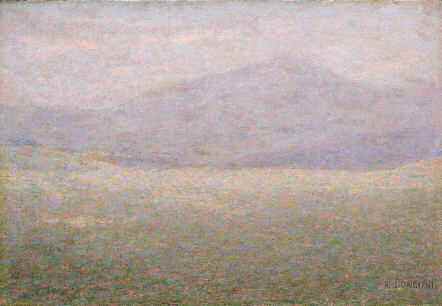
Bottegantica exhibits works by the main exponents of this trend, such as Giuseppe Pellizza da Volpedo, Carlo Fornara, Angelo Morbelli, Vittore Grubicy De Dragon, Giovanni Sottocornola and Emilio Longoni.
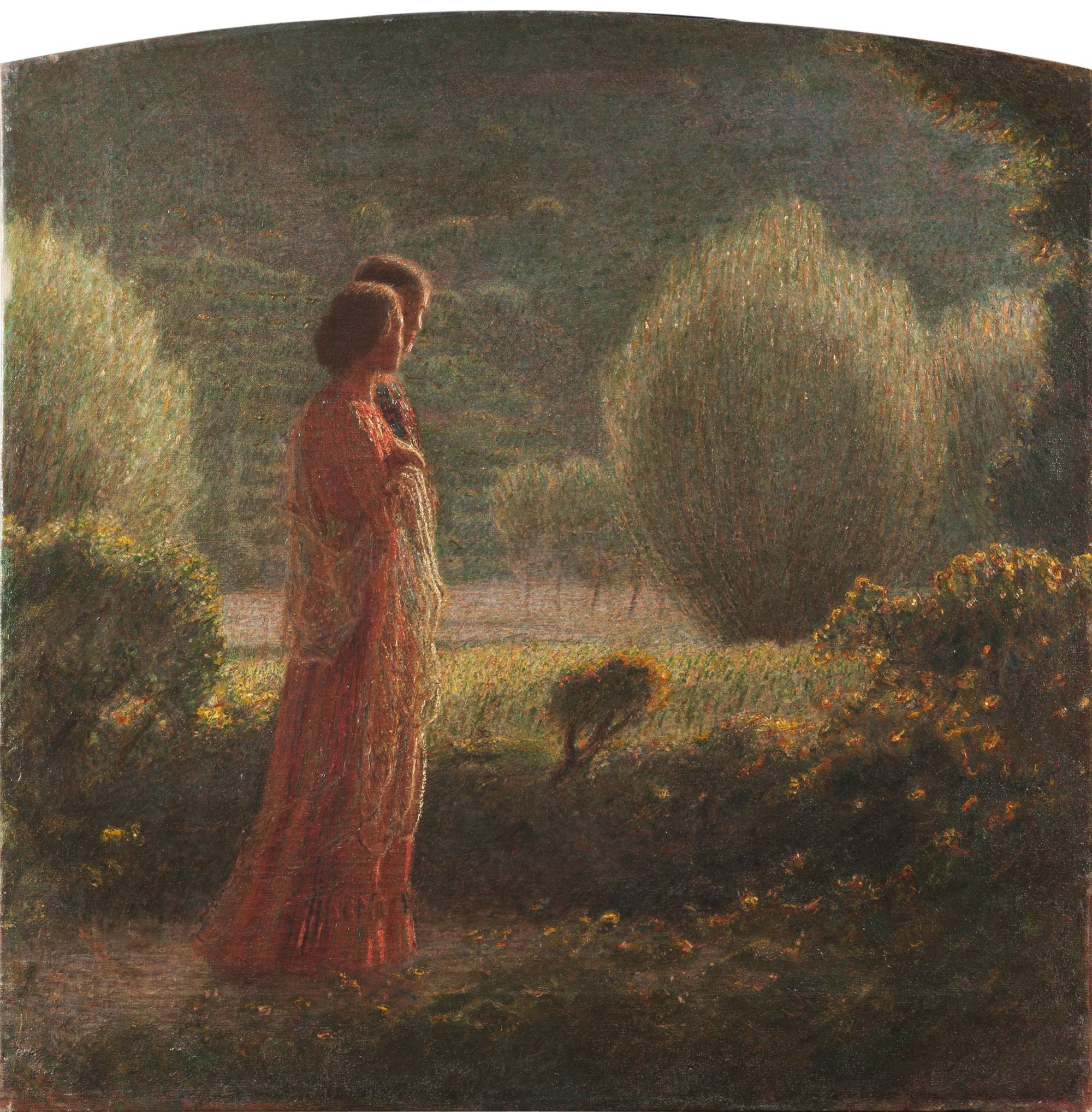
The exhibition will feature the left panel of Pellizza da Volpedo's polyptych L'Amore nella vita (1901-1902). Created in the period following the completion and first public exhibition of Il Quarto Stato (The Fourth Estate), the work is one of the culminating points of the painter's research into light and the decomposition of colors, and expresses Pellizza's attention to the interpenetration between man and nature.
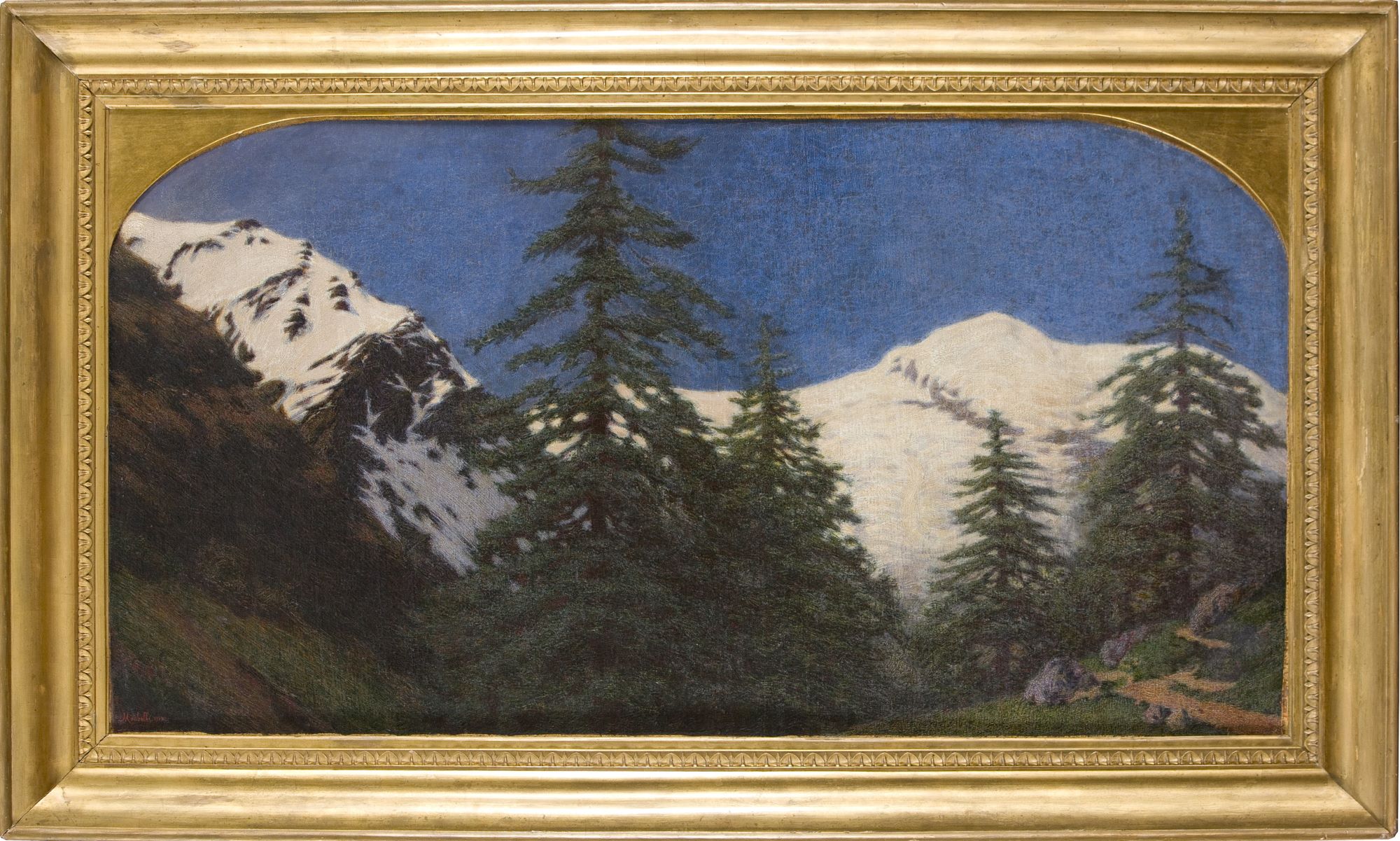
Emilio Longoni's second version of La voce del ruscello (The Voice of the Stream) will be exhibited after decades of absence. It is an extraordinary impression of light, immensity, solitude and serenity in which nature at high altitude unfolds its wonders made of water and ice.
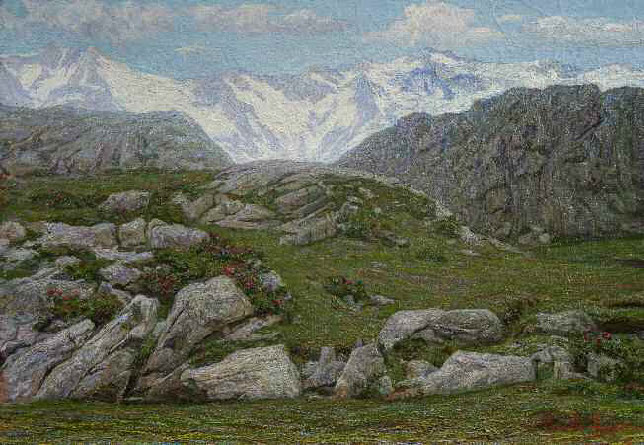
These impressions we also find in Angelo Morbelli's extraordinary Alta montagna (High Mountain), which, rather than describing nature at a particular moment, is aimed at penetrating the secret meaning of the natural world, and discovering hidden messages in it. The human dimension is deliberately banished here, in order to exalt the regenerative value of nature.
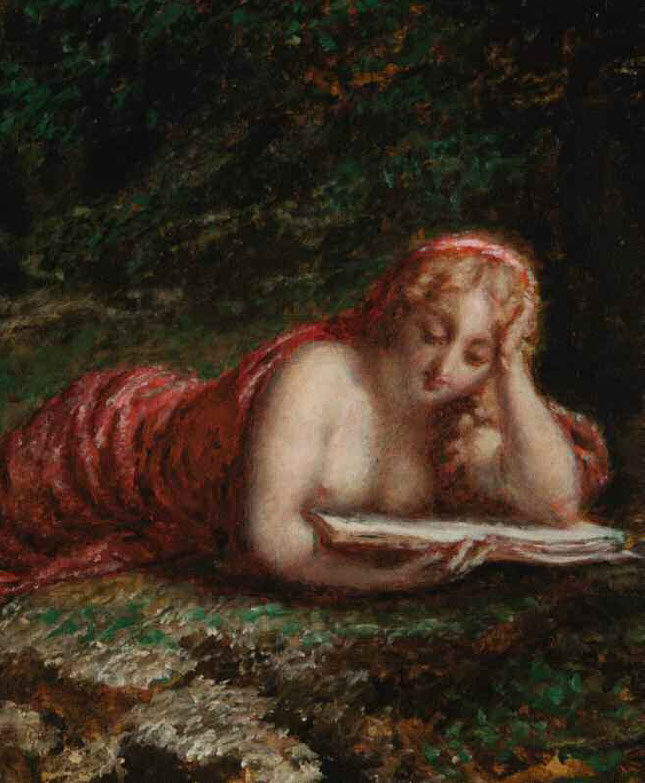
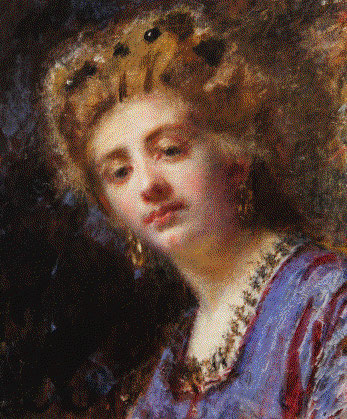
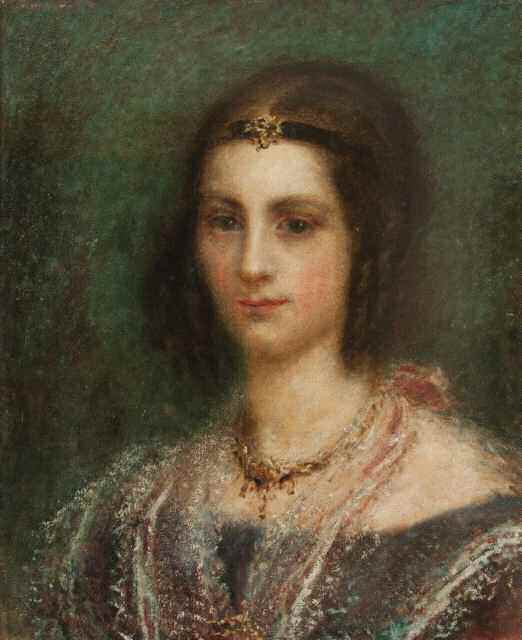
The formal values of Divisionism represent a fundamental contribution to Italian art. Young artists such as Balla, Boccioni, Carrà, and Severini, who later gave rise to Futurism, adopted the separation of color as a means of expressing the dynamics of movement. Divisionism will be an obligatory passage not only for the Futurists, but for many other pioneers of painting who, at the beginning of the 20th century, will be engaged in various avant-garde experiences.
From Scapigliatura to Divisionism; The Origins of Modernity offers visitors the opportunity to admire a second, new exhibition space of Bottegantica, also located in via Manzoni 45.
Milan, February 2015