
Rebel Genius, Antonio Mancini

Bottegantica Gallery, Milan
A precocious genius, capable of producing works of such mastery that the American painter John Singer Sargent exclaimed, "I have meet in Italy the greatest living painter," Antonio Mancini (1852-1930) was among the most significant and singular artists of nineteenth-century Italy. A brilliant colorist, Mancini is known for his daring and innovative methods of painting, characterized by an unusually thick impasto, which - especially in the mature phase of his activity - even includes glass, wool, mother-of-pearl and other materials, freely arranged along the pictorial surface.
Antonio Mancini, Rebel Genius, on display in Milan's Galleria Bottegantica from October 20th to December 18th, 2016, presents a selection of over forty works by the Roman artist, tracing the salient stages of his career, from his Neapolitan studies at age twelve to his Roman period, from his stays in Paris, London and Dublin to his years in Frascati. The exhibition also intends to analyze the major themes that Mancini tackled throughout his career.
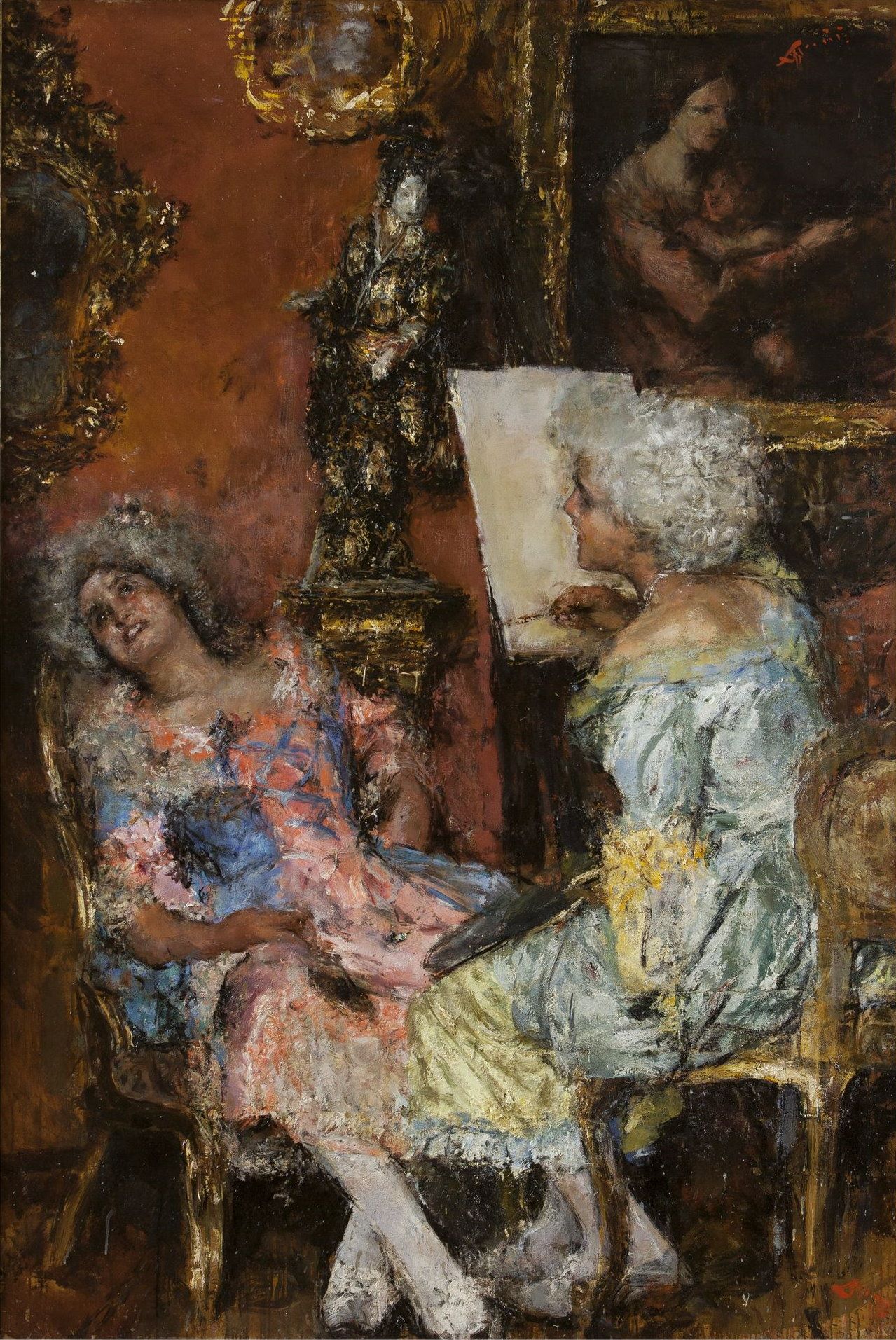

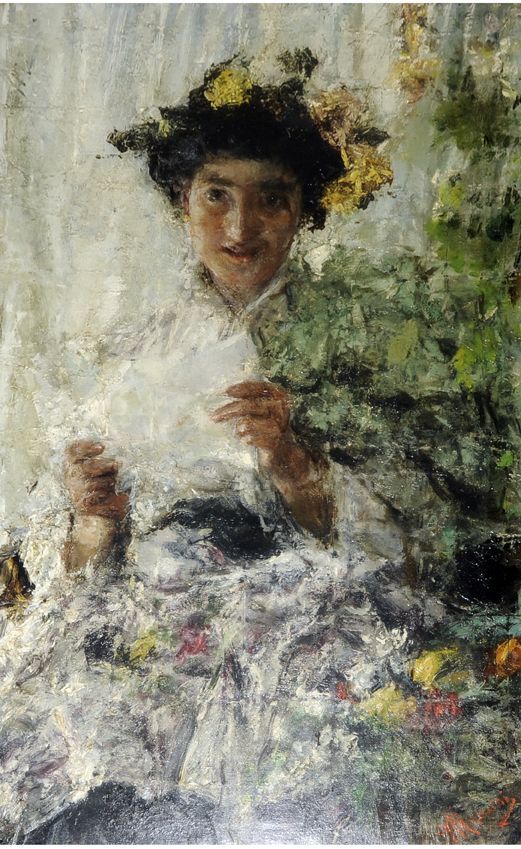
These include not only the penetrating and well-known portraits of circus performers, street musicians and poor children encountered in the alleyways of Naples, but also the official portraits commissioned by some of the most illustrious exponents of international society of the time. The exhibit will examine how the artist expresses his interest in the themes of childhood, its psychological movements, attitudes and expressions, as well as his intimate self-portraits that reflect both his youthful inner turmoil and the serenity of mind he achieved in his late maturity.
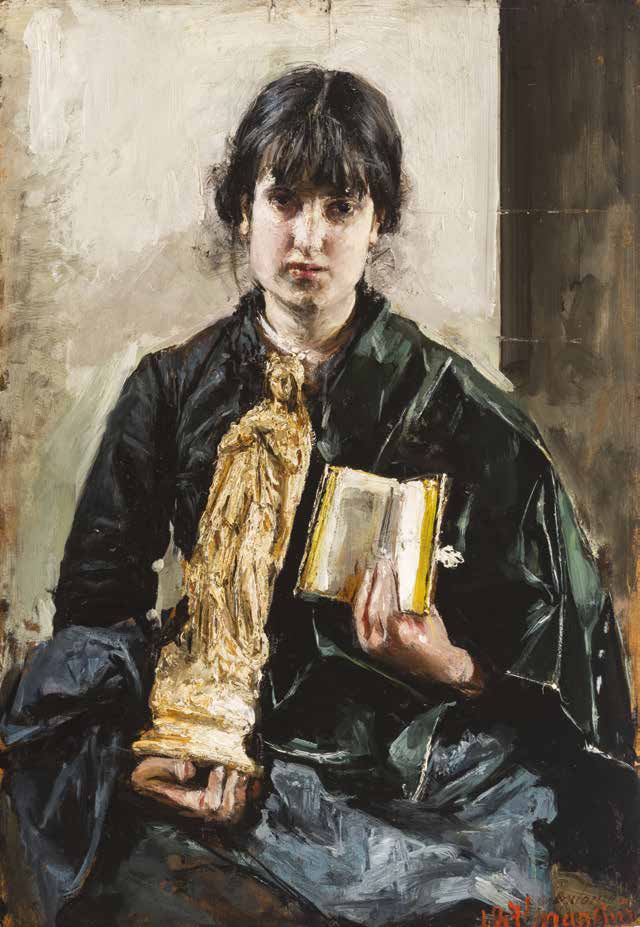


Curated by Enzo Savoia , Antonio Mancini; Rebel Genius is the first solo exhibition that Milan has dedicated to the Roman artist since the historic exhibition held in 1962 at the Galleria d'Arte Moderna. Works, many of which have never been presented to the general public, will be loaned by private Italian and European collectors.
From the Neapolitan period, we present the outstanding works Lo scolaretto (1872), La figlia del Mugnaio (1872-1873), Acque Basse (1874), Paglia Rotta (1875), La Zingara (1877-1878), Bambina che legge (1878) and Due bambole (1878). These paintings exalt Mancini's baroque "Neapolitan-ness", his ability to creatively express his own emotional experience, translating reality into a vibrant light-dark synthesis in the great tradition of seventeenth-century pictorial Luminism, which had seen its highest achievements in the works of Caravaggio, the dramatic naturalism of Battistello Caracciolo, the exuberant late baroque works of Mattia Preti and Luca Giordano.
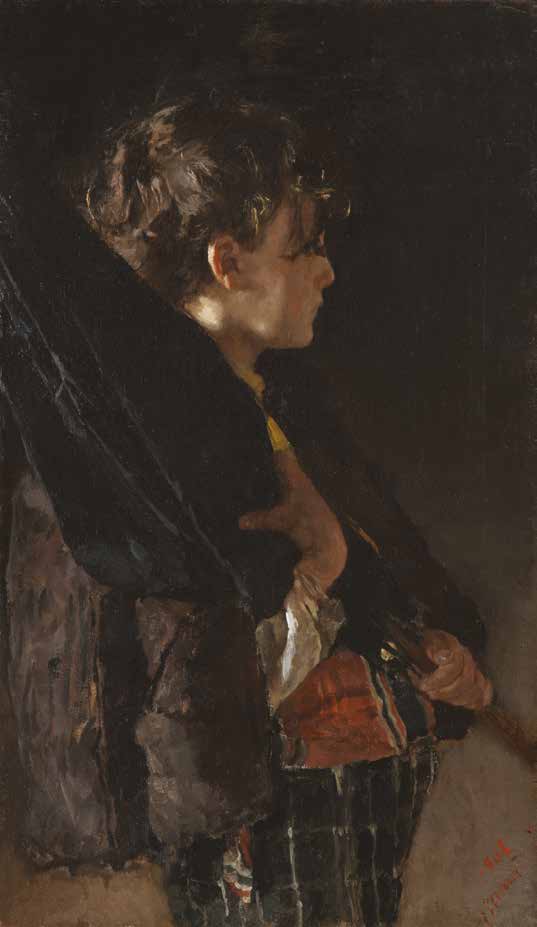
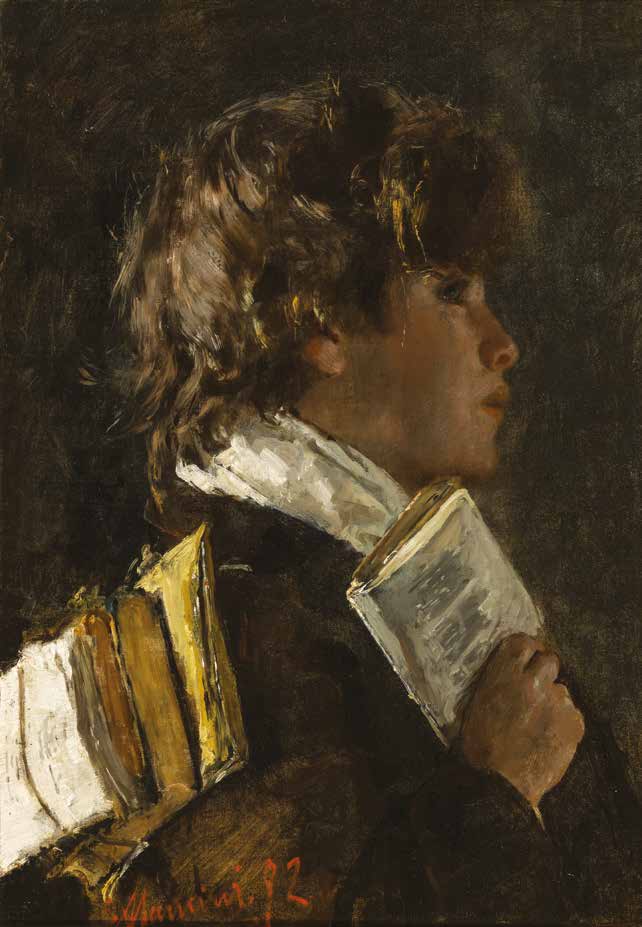
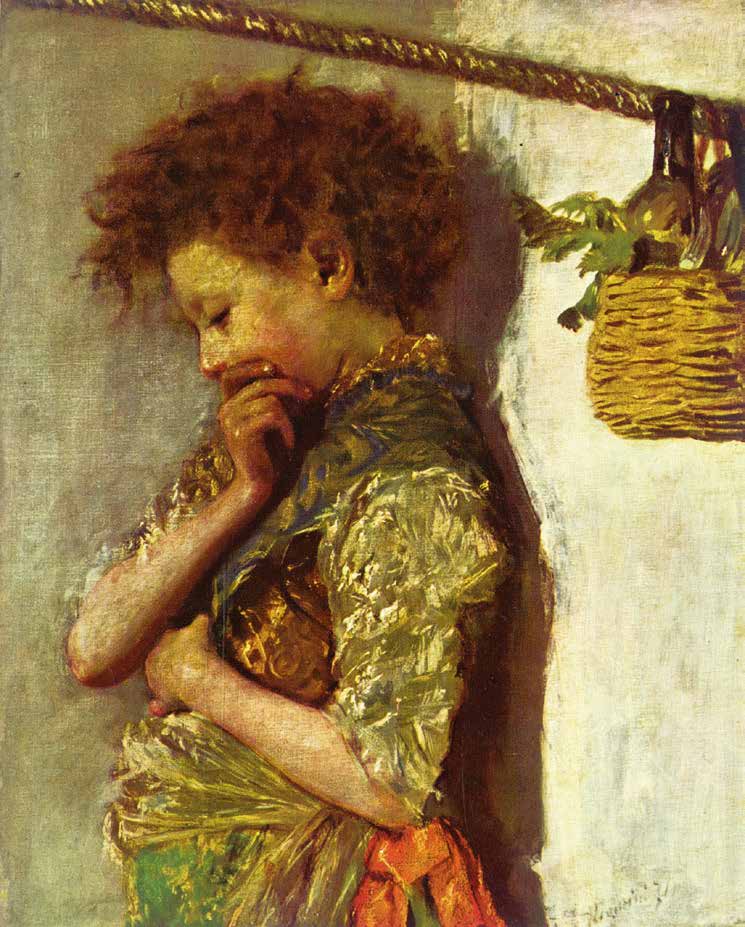
Ciociara (1885) and Bevo la birra (1888) testify to the progressive lightening of hues and chiaroscuro construction implemented by the artist during his Roman years, to which he would add, over time, an increasingly thick chromatic mixture to the point of prevailing over the themes gradually proposed (halberdiers, ladies, minstrels, pages, bullfighters, musicians, gypsies). These personages, in reality, were pictorial pretexts for applying heavy layers of color onto the canvas that crusted and clumped together.
Complementary tones, glosses, and reflections were brightened by the occasional insertion of glass, metals, shells or minerals, all ground up in the crucible of chromatic pastes. This excess, this frenzy of matter, constitutes Mancini's own style, his fierce and anxious struggle, at times solitary, with painting.
In the portraits of characters dear to him, Mancini recovered an unexpected humanity. It makes its way through the dominant colors and effects of light, through a delicacy of tone and strength of material, and in the end, invites touch.