From De Chirico to Vedova, Secret Twentieth Century
Bottegantica Gallery, Milan
"Novecento segreto" (Secret Twentieth Century) is the title, both appropriate and intriguing, of this exhibition: a title that seems to want to conceal and reveal at the same time; or even better, seems to want to make visible what was hidden - for different reasons, linked to the jealousy of collecting, which often conceals what it most cherishes.
And this is precisely the sense of the exhibition; it is eclectic in appearance and takes place over a period of nearly a century of Italian art (more or less the entire 20th century, a "short" century that in effect could not have been longer, more complex, fascinating or dramatic). The exhibit stems from the exceptional opportunity of having the nuclei of two almost entire collections available.


In "Novecento Segreto", paintings of the past century emerge from behind the closed doors of private rooms to reveal the results of years of collecting by their owners, connoisseurs who have, in acquiring those works, secretly placed their tastes, passions, idiosyncrasies and excesses, moments of research and happiness.
Even if the artworks are leaving the rooms where they were once located, the thread that united them still remains, spun not only of the well-known masterpieces of famous artists but also lesser-known surprises. Here we may discern the reasons that once united them: mysterious and unfathomable, like the correspondances of Baudelaire and Mallarmé, obscure but undeniably a part of their history and their lives.
While the cores of two private collections represent the major part of this exhibition, the Gallerist, like the director of a film, has skilfully mixed in fragments of other lives, of other stories, punctuating the discourse with incisions (other works, obviously) that clarify the sense of those two parallel yet different paths.
Famous and lesser- known works are combined, but the high standards are constant; as ever, quality is the most adored idol in the pagan ritual of the collector.


This introduction of mine is, in some ways, superfluous: the works stand alone, and represent themselves at their best without any explanation or interference. They do not want to be arranged in a learned and philological order. Rather, they follow an unpredictable path of private passions, looking for other passions with which to confront themselves today. This exhibition renews the reason for which art itself lives in society: collecting. For it is collectors who encourage artists to live and create, who allow the world to reflect on itself, and who record society's idea of beauty at its best.
Starting from Boccioni and Balla and ending with Vedova and Bonalumi, the selection of these works leaves one truly amazed, not only for the quality of the single pieces, but also for their originality in the path of the artists' oeuvre, for the exquisiteness of certain references, and for their rarity, too. Exceptionally rare is Boccioni's beautiful Paesaggio lombardo (Lombardy Landscape), a new addition to his meager general catalog, purchased at the time by ******, a friend of Dutch origin who was to become one of the greatest Argentine photographers after moving to Buenos Aires in 1911. Until today we only knew the composition from a preparatory drawing. Adolfo Wildt is represented by one of his highly polished marbles, which, under the impassive matter, makes the most vertiginous drama pulsate: the original base exalts it like an ancient stele. Balla's Futurist Blackbirds are a demonstration that the seriousness of abstraction can go hand in hand with play and the natural, universal joy of life.
De Chirico's Self-Portrait from the 1920s, one of his most impressive among the many that he created in his intellectual narcissism, has a chromatic density and an exciting virtuosity. Seurat's Grande Jatte, reinterpreted by Campigli, represents an entire European intellectual world, participated in by a large part of the artists between the two wars, who saw the cornerstone of modernity (abstract, proportional, compositional) in Seurat rather than in Cézanne: as theorized by Severini and by the magazine of Le Corbusier and Ozenfant, "Esprit Nouveau"; fixed points, together with the reinterpretation of Piero della Francesca, of the reconstruction of the world after the avant-garde destructions.
Severini's small boy's face, as beautiful and abstract as a portrait of the Fayum, still has the precious flavor of its original frame, identical to those in which the artist had enclosed all his paintings at the 1936 Biennale. Sironi appears in the exhibition - as well as with neoclassical drawings - with one of his most compact cartoons that - as I have repeatedly argued - represent the pinnacle of Italian art in the 1930s. Alberto Martini appears (literally, the painting resembles a dreamlike apparition) with a painting that, in terms of date and subject, coexists on a par with the greatest paintings of early French surrealism.
But other paintings emerge from the secret of the private rooms: the soft, iridescent, poetic flowers of De Pisis; the roses of Pirandello (a giant still not sufficiently recognized in his European dimension), whose thorns we perceive even before the petals, a seismograph of a sensibility that already in 1938 registered the disasters of the coming war.

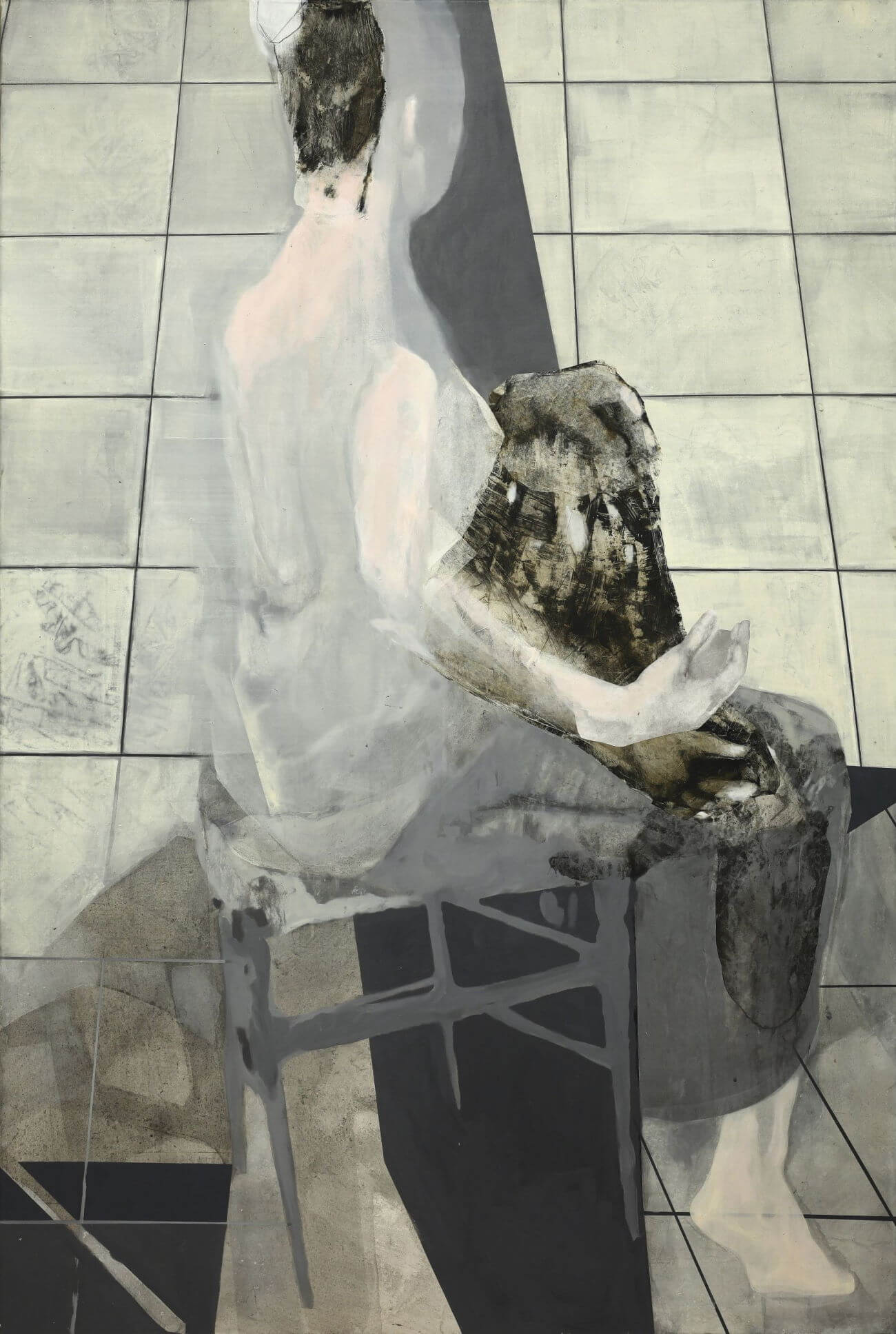
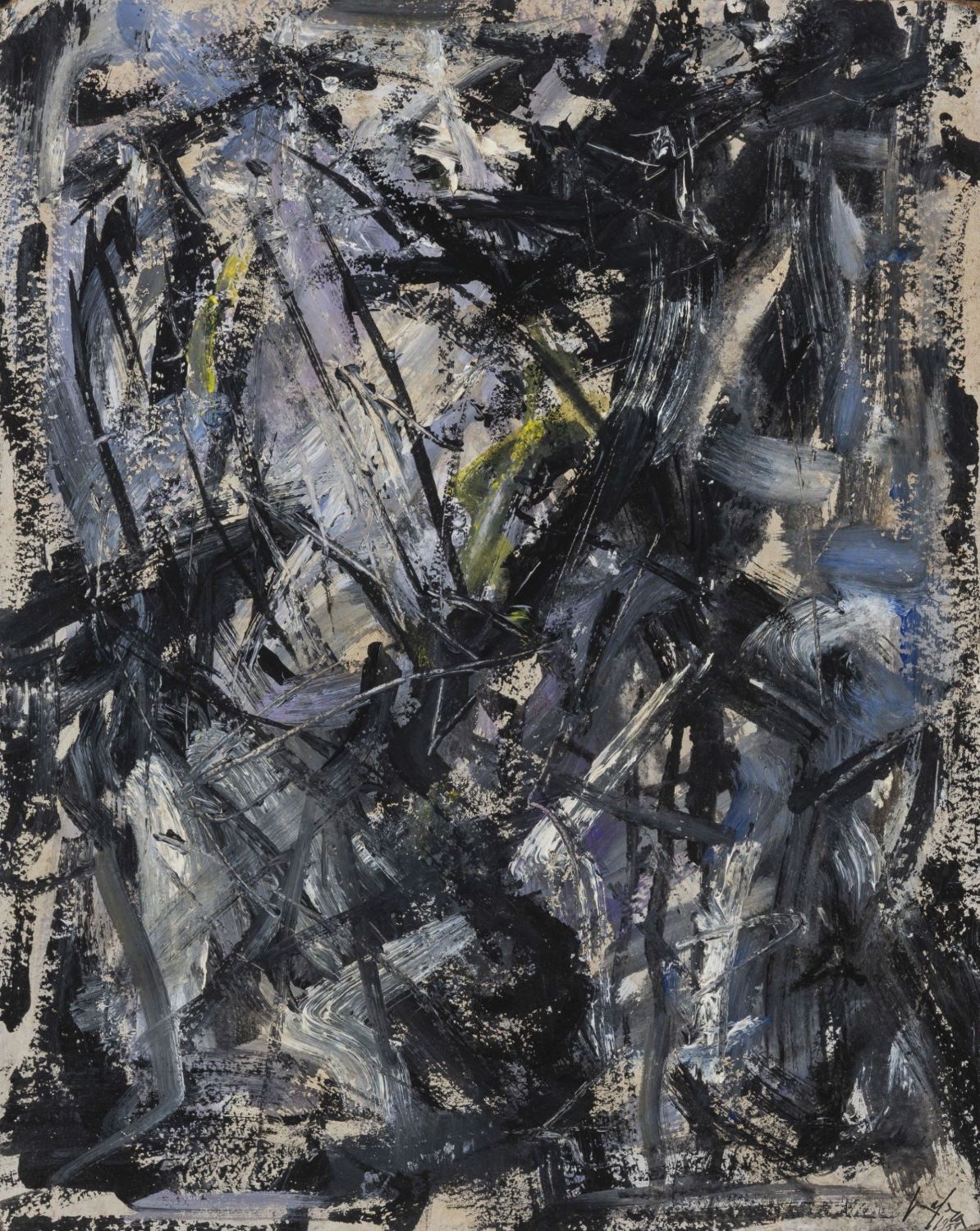
Then come the post-war years, with Savinio, Dova, Guttuso, Cassinari, Vedova, Pomodoro, Bonalumi, up to Vangi. Here too, unusual works, or in any case of exceptional intensity, such as the small Vedova, a masterpiece of weaving that narrates the passage of time, in a stormy profluence of signs and colors that mixes the skies of Guardi with the shadows of Tintoretto. Or the Bonalumi who announces, in his "pop" extroversions, Pascali's imminent arrival at his version of Arte Povera.
In short, this is a collection of works that, thanks to their quality, leave us meditating on the depth of Italian art of an entire century, reserving for us pleasures as secret as the rooms that had enclosed them until now.
Fabio Benzi